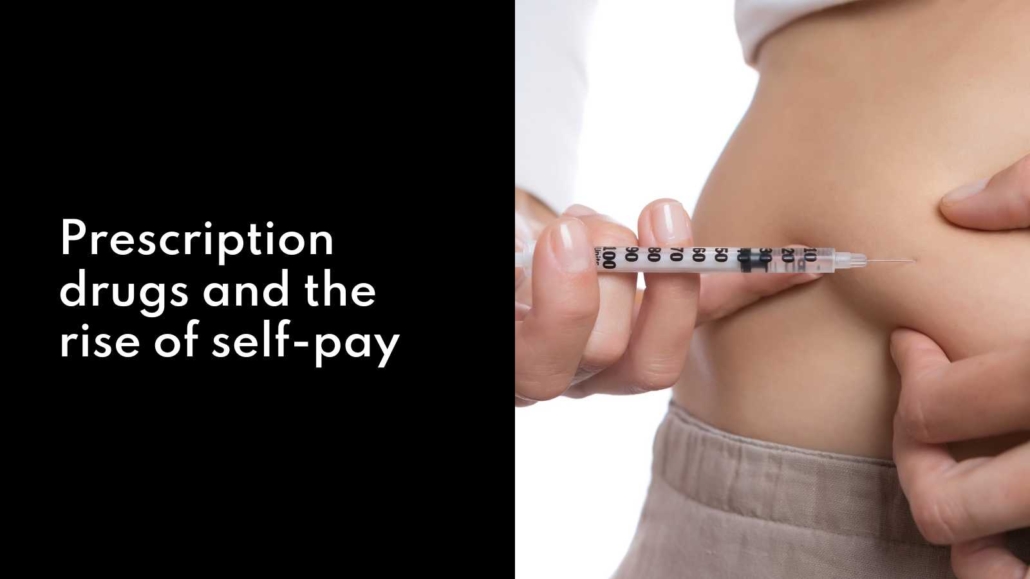
Weekly hot topic: Prescription drugs and the rise of self-pay
People in Europe and the US rarely pay for prescription drugs out of their own pockets.
In Europe, their national health services almost always pick up the tab – even if some people have to contribute by way of a prescription charge. In the US, the health insurer normally foots the bill.
But things have been changing.
First, online pharmacies have made it easier for people to go direct to drugs wholesalers and bypass traditional gatekeepers.
Then GLP-1s arrived, enabling people to lose large amounts of weight without the dreaded diet. When celebrities like Elon Musk openly admitted to using them (and rumours about others like Kim Kardashian doing so went wild), demand exploded. Self-paying patients led the way.
These two factors have converged to make self-pay a small but serious part of the medicines market – so much so, that pharmaceutical companies are setting up whole divisions to sell direct to patients.
In the UK, up to nine in 10 of the 2.5 million people using GLP-1s like Wegovy and Mounjaro are thought to be private, self-pay patients.
Things are different in the US, where most of the 20 million or so people on GLP-1s now get them paid for by health insurers. Nonetheless, a significant minority pay for them themselves.
Self-pay is only really happening at scale at the moment with this single class of drug. (The second biggest area is fertility drugs.)
But it raises the possibility: is self-pay going to become a more and more important part of pharma companies’ revenue streams?
In Europe, the reluctance of cash-strapped national health providers to pay for expensive new medicines could feasibly prompt growth of self-pay – albeit only among the wealthy.
Meanwhile the US government’s drive to lower drugs prices, by cutting out middlemen like pharmacy benefit managers, is already boosting self-pay. In July, President Trump wrote to 17 pharma firms telling them to adopt ‘direct-to-consumer’ (DTC) sales models to help them achieve ‘Most Favoured Nation’ pricing for drugs.
So, conditions for a self-pay / DTC boom now exist.
Big questions remain though. After obesity drugs, what other medicines best lend themselves to this business model? How big a revenue stream will it be for pharma? Which companies will best capitalise on it? How can safety be maintained if DTC sales channels result in powerful drugs being distributed to patients with less clinical oversight? It’s certain: this is an area to watch.


